
Welcome to Impact Factors!
Discover insights and influential research
from HKU Business School’s distinguished faculty.
Browse our collected articles for the latest academic research
and its implications across key areas of
business, economics, finance, and more.
Latest Research



·
Review Manipulation and Filtering on Digital Platforms
Could a fake one-star review help a business? Online consumer reviews make or break digital sales. Filtering out the fakes has been an ongoing headache for platforms such as Amazon and Google, but our recent study of the Apple App Store surprisingly shows that negative fake reviews are pushing targeted apps higher up the charts. What, then, are the lessons for digital platforms, app developers, and users?


·
Multinational production and global shock propagation during the Great Recession
Did the Great Recession leave us with unresolved questions? If most people think the 2008 trade collapse was all about falling demand, it may be time to reconsider. Our recent study identifies an important but overlooked mechanism: global productivity shocks drove multinational production down, and because multinationals are highly trade intensive, their decline affected global trade to a similar extent. Instead of buffering the blow, these multinationals inadvertently transmitted headquarters country productivity shocks across borders, deepening GDP declines in countries that relied on them most. Understanding this transmission channel is important for strengthening resilience ahead of future global disruptions.

·
AI adoption and human value within organizations
Is artificial intelligence coming for your job? A recent study from HKU Business School on nearly 3,000 Chinese-listed firms reveals a surprising twist: AI is not replacing the general workforce but giving them a raise. Higher AI adoption increases labor income share and actively shrinks the corporate pay gap. But to make the most of it, organizations must overcome one major bottleneck…















Insight Articles

·
The Survival Guide for All in the Post AI-Era – From Individual Planning to Corporate Strategy
AGI (Artificial General Intelligence) is the AI that could learn, decide and execute, and we are already in its early days. Just this week, Meta has rolled out its agent Muse, and quite a few service-based digital platforms have seen their stock price drop in the US stock market. Its related conversation has shifted from “what if” to “how fast,” and the answer is unsettling.
-
·
From Anti-Dumping to Trade Wars: Past, Present, and Future of Trade Policy and Disputes
US-China Economic and Trade Negotiations Help Manage Disagreements, but Industry-Level Trade Disputes Will Not Automatically Disappear. Since last year’s Busan summit and President Trump’s visit to China in May this year, both sides have continued to advance dialogue.

·
With AI boosting productivity, what’s still holding companies back?
As AI and intelligent systems improve, the time for companies to generate a quote using AI has been shortened from half a day to just a few minutes; however, customers may still have to wait a week to receive the quote.
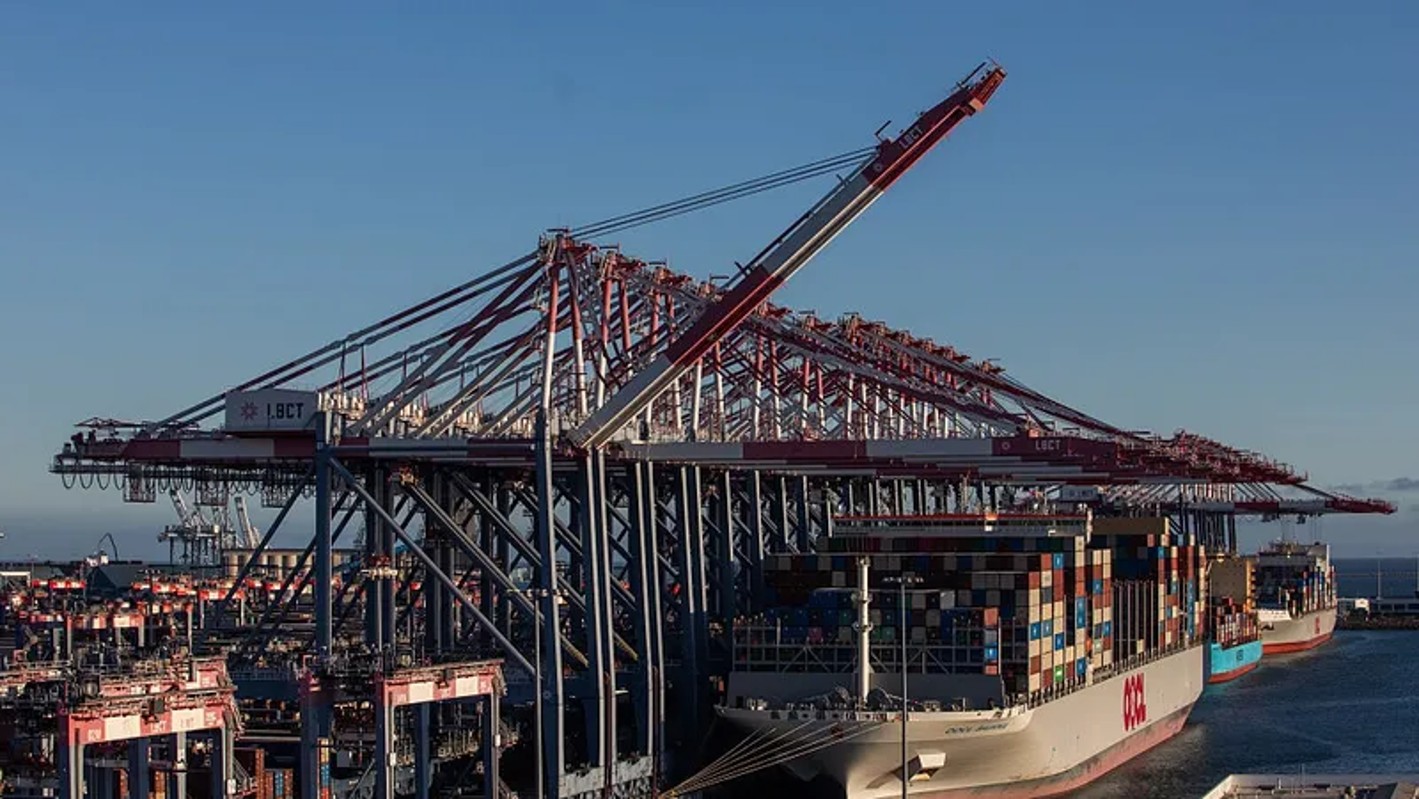
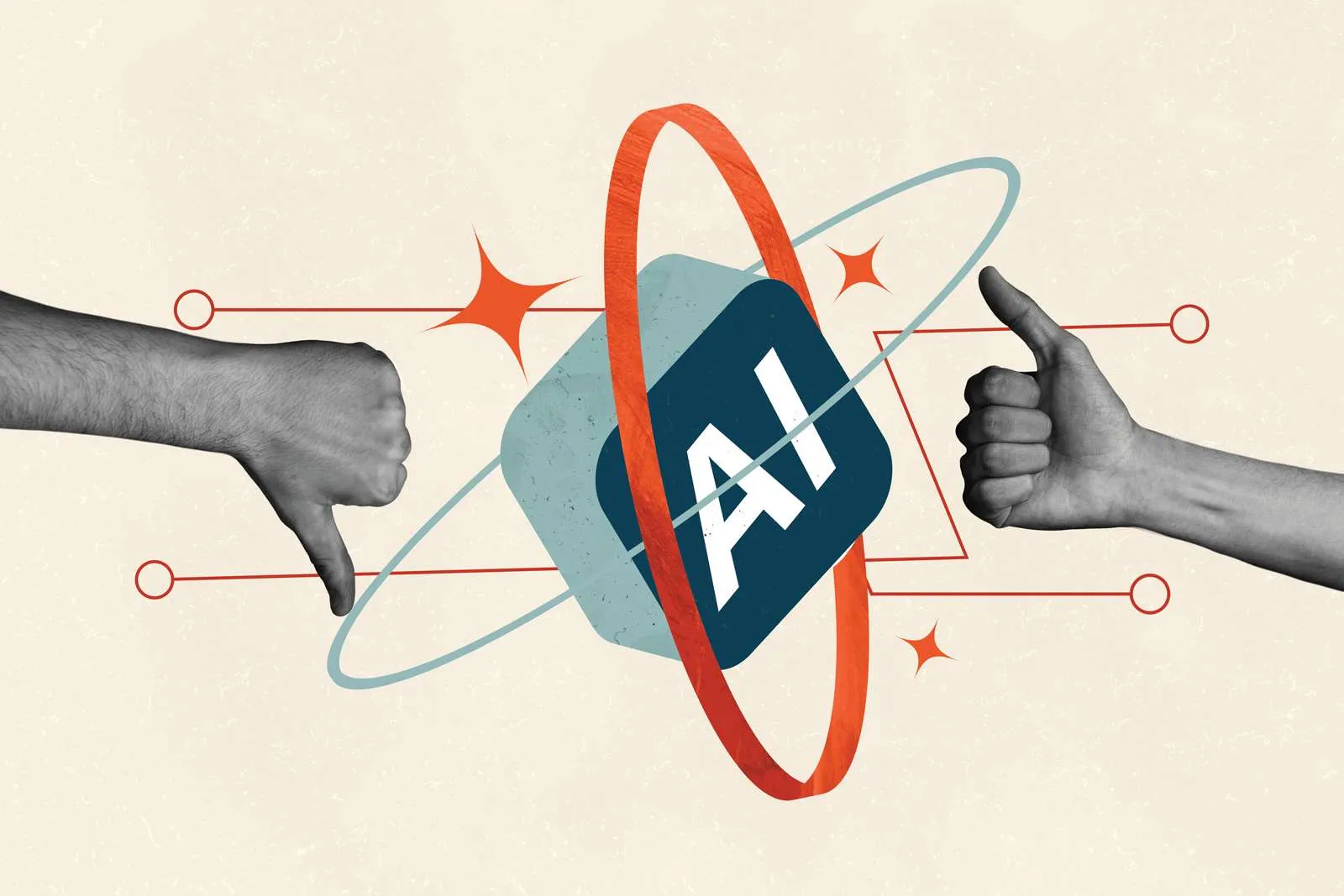
The Boom in AI Trade Underscores Hong Kong’s Role as a Global Hub
With the artificial intelligence (AI) wave still in full swing, demand for compute hardware is soaring rapidly. Amid this technological revolution, Hong Kong’s import and export sector has successfully seized the opportunities of the era and shown strong growth momentum.

·
DELTA+T²: When Trust Replaces Analytics as the Defining Bottleneck in the AI Era
Not long ago, on 2 August 2026, the core provisions of the EU Artificial Intelligence Act officially came into effect: all AI-generated content must be clearly labelled, chatbots must inform users that they are interacting with AI, and companies in breach of the rules may face fines of up to €15 million or 3% of their global annual turnover.

·
Financial Inclusion: Pros and Cons of Traditional Commercial Banks’ Adoption of Fintech and Digitalization
At present, the development and application of financial technology (fintech) and digital finance are no longer confined to non-bank fintech companies and large internet platforms. In fact, traditional commercial banks, which still firmly occupy a dominant position in the market—especially many large commercial banks—have invested heavily in the development and application of cutting-edge financial technologies.

·
What AI Generated Content Do We Actually Need?
In the AI era, more and more companies are using AI to generate content and widely disseminating it online. An analysis by SEO research organization Graphite, which examined 65,000 English online articles published between 2020 and 2025, shows that the number of AI-generated articles first exceeded human-written articles in November 2024. By mid-2025, the proportion had risen to about 50%.

·
Trip.com’s Landmark Fine: A Milestone in China’s Antitrust Enforcement?
Recently, Trip.com, a Mainland tourism platform giant, was fined RMB 5.179 billion by Chinese regulators for suspected profiting from its market dominance, becoming a hot topic of public debate.

·

The Challenges and Potential of Bank-Issued Stablecoins
Since the Hong Kong Monetary Authority, with the local banking system as its anchor, granted the first batch of stablecoin issuer licences in April this year, expectations have been high for the banking sector’s participation in stablecoin issuance.



·
Only the Market Can Unlock the Value of Data Assets
In 2026, Reddit’s data licensing agreement with Google, reportedly worth about US$60 million per year, is set to expire and come up for renewal. Together with a sister agreement signed with OpenAI around the same period, the two deals currently contribute roughly US$130 million in annualized data licensing revenue to Reddit.

·
Stablecoin Competition Shifts from Issuance to Networks
As the digitalization of money becomes increasingly mature worldwide, a significant new development is emerging in the stablecoin market. According to reports, over 100 financial and technology institutions, including Visa and Stripe, have joined forces to form the Open Standard alliance, which is expected to launch the US dollar stablecoin Open USD later this year.
·

The Global Current-Account Imbalance: Then and Now
Around 20 years ago, current-account imbalances were an important issue in the global economy. The current account comprises imports and exports of goods and services, as well as the difference in returns on cross-border investment, with the former being the main component.

·
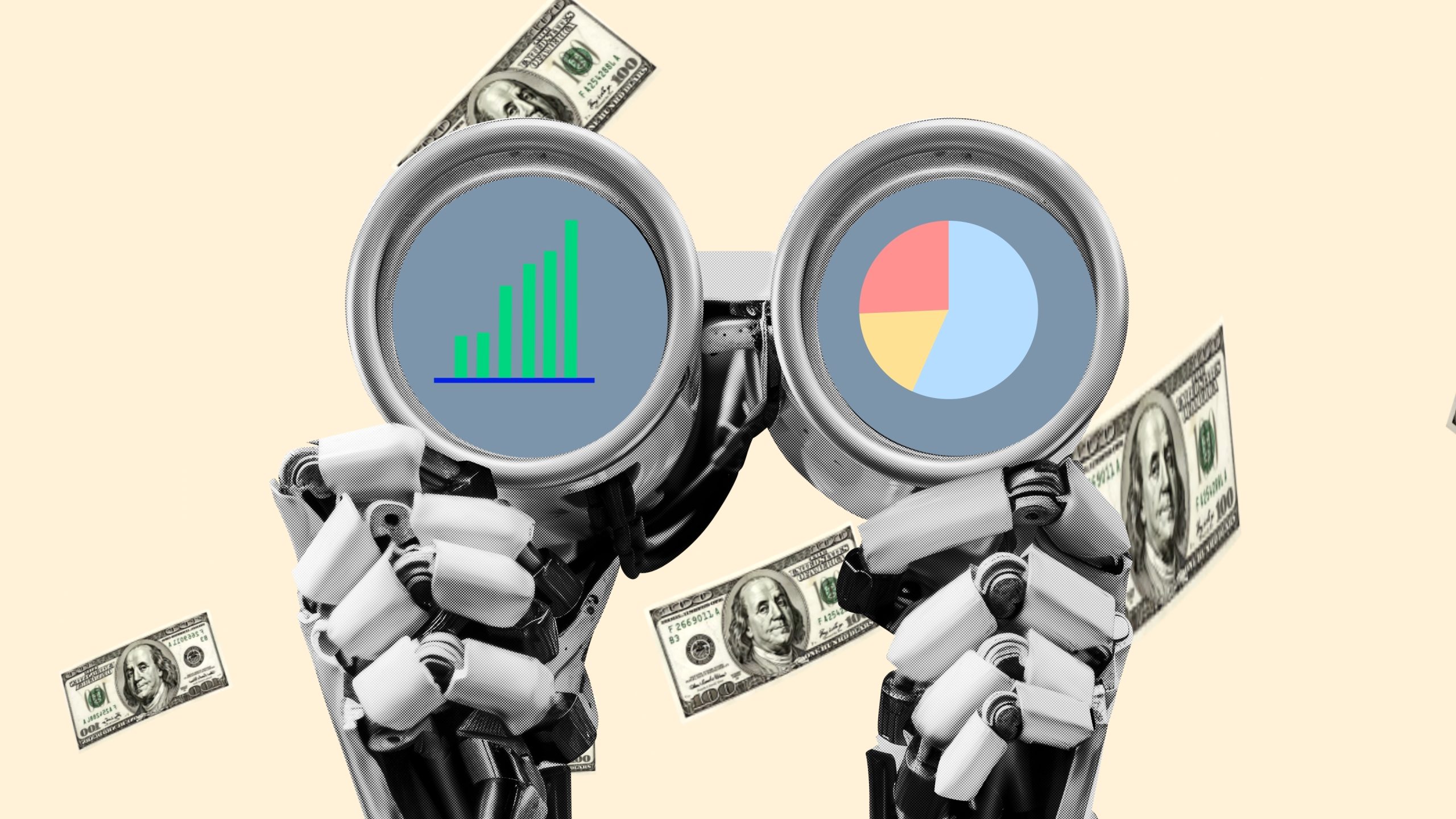
The ‘Smartest’ AI Isn’t Necessarily the Best AI Trader
Recently, Interactive Brokers announced that users can now connect large language models like ChatGPT, Claude, and Grok directly to their investment accounts for market research, portfolio analysis, and even trade generation. Large language models are evolving from conversation tools that simply answer questions and generate content into intelligent agents capable of calling external tools, connecting to real-world systems, and participating in complex decision-making.

·
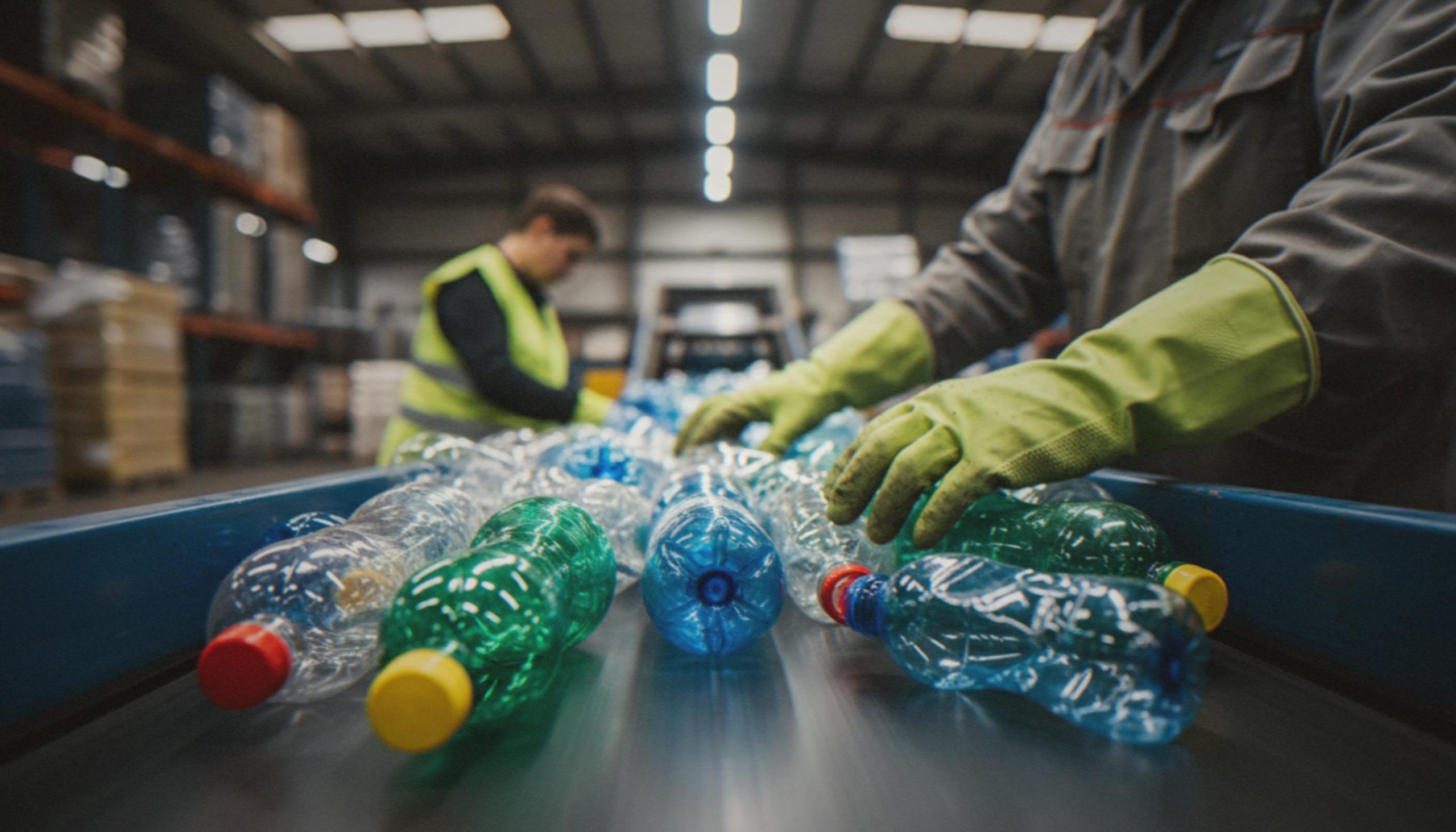
Sorted but Still Buried: Hong Kong’s Unfinished Plastic Loop
After pouring away the remaining half bottle of distilled water, you put the plastic bottle, with its cap and label still attached, into the brown bin on the street corner. As far as you are concerned, that is the end of the bottle’s story.

·
The Cost of Soaring Compute Capacity: the Boom and Hidden Risks of Data Centres
In recent years, a wave of artificial intelligence (AI) has swept the globe, and the popularization of generative AI has led to a sharp increase in demand for compute resources. Behind the impressive models and products, the infrastructure underpinning this technological revolution is an array of data centres located across the world.

·