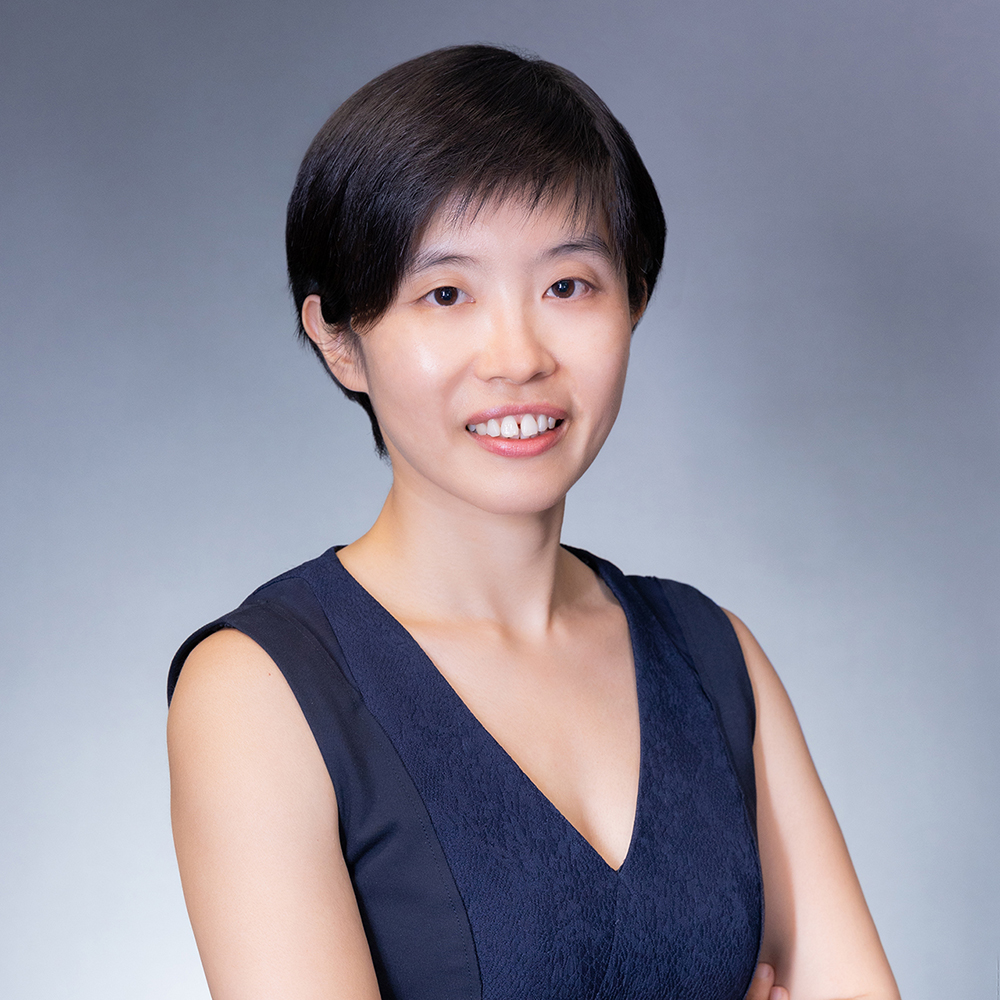
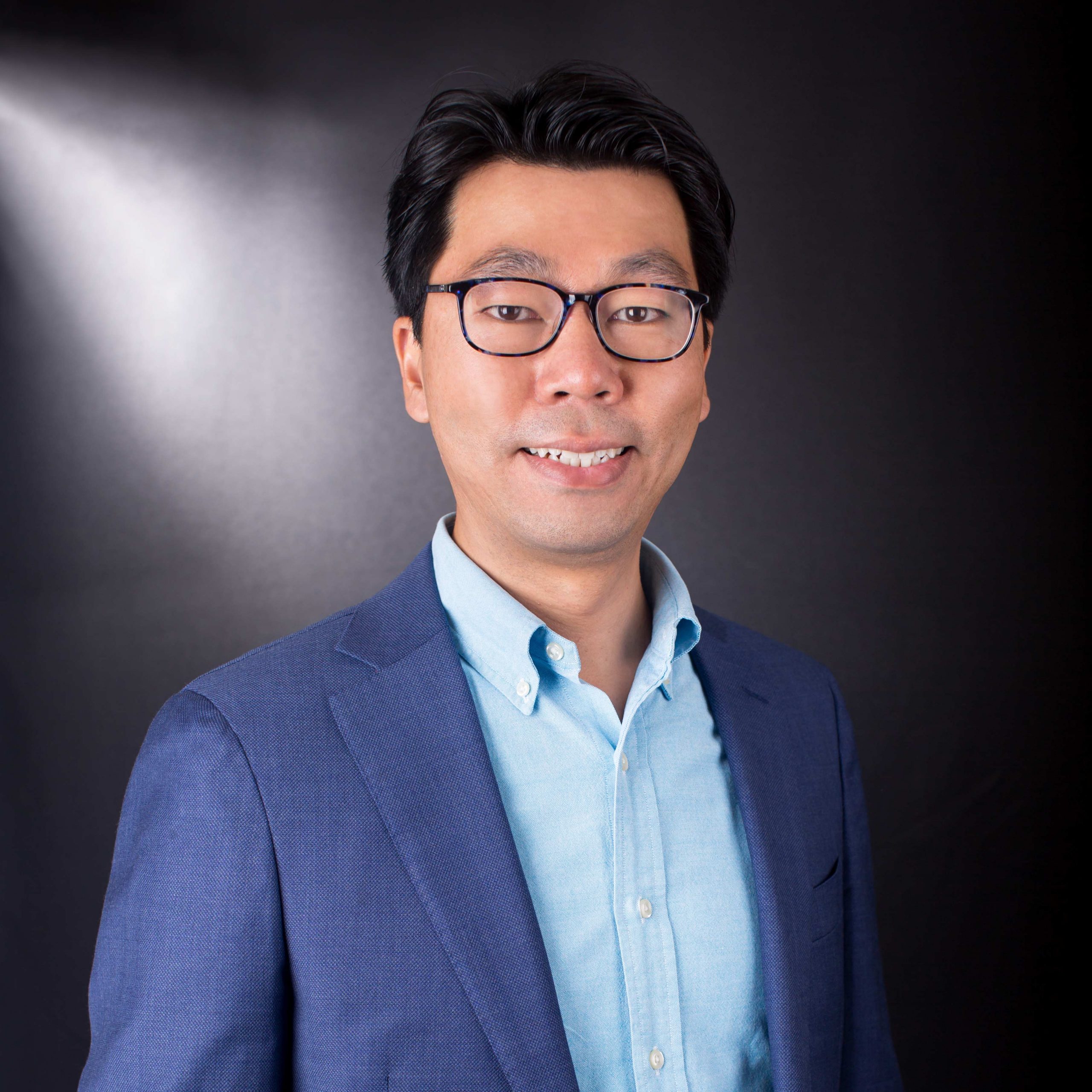
Professor Heiwai Tang and Mr Cyrus Cheung
22 April 2026
Under the ongoing geopolitical impact, the increasing importance placed by countries on security risks in recent years has caused the global economic and trade landscape to shift from integrated free trade toward fragmentation. Amid this monumental change, China’s economy has demonstrated strong resilience, expediting its upgrade from the world’s factory to a technology powerhouse. The overseas expansion of Chinese companies has become an international business trend and deeply integrated into the economic development and people’s lives around the world. This has not only created a window for Hong Kong’s third economic transformation but also provided an opportunity to achieve inclusive growth.
Currently, the SAR Government is formulating its five-year plan, taking the initiative to bid farewell to the traditional philosophy of “small government, big market”, and proactively leveraging Hong Kong’s institutional advantages under the “one country, two systems” policy. With the Guangdong-Hong Kong-Macao Greater Bay Area and the Belt and Road Initiative as entry points, Hong Kong is expected to become a “super value-adder” connecting the country’s new industries with global markets.
Hong Kong becoming a trustworthy platform in a multipolar world
The international political and economic landscape has shifted from a unipolar to a multipolar structure. From “America First” to the “New Washington Consensus” and to Trump’s global tariff hikes, America is moving further toward protectionism. To address risks, many companies have adopted the “China + 1” strategy of diversifying production footprints and the “America + 1” strategy of placing too much reliance on a single consumer market. This trend of resource reallocation has been significantly conducive to the growth of emerging economies such as ASEAN.
Meanwhile, China has demonstrated enormous influence in AI, advanced manufacturing, and new energy. US suppression policies have not only failed to stop China’s rise as an industrial powerhouse, but have instead pushed its supply chains towards high-end upgrading and internationalization through technological innovation and active overseas expansion.
In terms of international cooperation, while the Global North continues to dominate traditional international organizations, including the World Bank and the International Monetary Fund, the Global South has been actively developing emerging institutions such as BRICS Plus, the Shanghai Cooperation Organization, and the Asian Infrastructure Investment Bank.
Amid the fragmentation of the economic and trade landscape, Hong Kong’s value as a service platform is especially indispensable. The “one country, two systems” framework provides the city with an understanding of socialism alongside deep familiarity with capitalism. As a special administrative region in China, Hong Kong operates under a common law system that is highly aligned with international business practices. Coupled with its long-established commercial reputation, economic and trade networks, and stable business environment, the SAR is set to become a trusted platform for cooperation among all parties.
A new path forward built on innovation, technology and internationalization
At the national level, the Mainland economy has shifted towards high-quality development in recent years, creating significant opportunities for Hong Kong to tap into new growth trajectories. In 2025, China’s total R&D expenditure approached RMB4 trillion, ranking firmly second in the world; the number of valid invention patents surpassed 5 million; and China topped the world ranking for six consecutive years in the number of international patent applications filed under the Patent Cooperation Treaty (PCT). Meanwhile, high-tech manufacturing enterprises above designated size, equipment manufacturing, digital product manufacturing, and clean energy power generation all recorded strong growth of approximately 9%. Evidently, the “new quality productive forces”, characterized by innovation, digitalization, and green development, are driving national economic growth.
Hong Kong is in a position to lend impetus in this regard. On the one hand, through its development into an international innovation and technology (I&T) centre, Hong Kong can attract high-end innovation resources from around the world, and add value in overcoming core technological challenges. On the other hand, by leveraging the strengths of its financial sector and growing into a regional intellectual property trading centre, the city can support the nation to enhance its capacity to commercialize intellectual property, and raise international capital for the nation’s technology and green industries. These measures will help expand the scope of Hong Kong’s high value-added services.
At present, the nation is actively fostering a new development pattern in which the domestic circulation serves as the mainstay and domestic and international circulations reinforce each other. In 2025, China’s total retail sales of consumer goods broke the RMB50 trillion mark, while services consumption accounted for more than 46% of per capita consumption expenditure. As the largest goods trading country in the world, China boasts total imports and exports of around RMB45.5 trillion, with trade with Belt and Road countries representing more than half of its total foreign trade. The export value of China’s high-tech products recorded an increase of over 13%, reaching nearly 20% of its total exports. Notably, exports of the “new three” products, i.e. new energy vehicles, lithium-ion batteries, and photovoltaic products, registered a whopping increase of approximately 27%.
The nation’s 15th Five-year Plan proposes building a modernized industrial system and a strong domestic market, while expanding high-level opening up. Its key priorities include promoting the high-quality and efficient development of the service sector, vigorously boosting consumption, expanding effective investment, and enhancing the quality and level of trade and investment cooperation. Given that Hong Kong possesses unique advantages of “one country, two systems” and international connectivity, its service industry is characterized by great potential. On the one hand, the Mainland’s consumption upgrading requires services that align with internationally leading quality standards. On the other hand, the nation’s continuously growing import and export trade will contribute to consolidating Hong Kong’s position as an international entrepot. In addition, the internationalization of the renminbi requires a convenient and trusted platform. As domestic green products going global is a prevailing trend, Hong Kong’s strengths in Environmental, Social, and Governance (ESG) certification and green finance will be brought fully into play.
Advancing a threefold upgrade of “super value-adder” services
In the face of the fragmented economic and trade landscape, during the 15th Five-year Plan period, Hong Kong must strengthen its role as a “super value-adder” and become an empowering platform that serves national development. Towards this end, the upgrade of financial services is the primary entry point. Offshore RMB business should not simply remain a tool for capital reserves; it should also serve to meet the investment and financing needs of the real economy. Through such measures as enriching RMB products, including RMB trading counters in the Southbound Stock Connect for Hong Kong stocks, and increasing the issuance of “dim sum bonds”, Hong Kong will be able to effectively enhance the liquidity and returns of offshore RMB, and expand its function as a global offshore RMB business hub.
In the process of its deep integration into the industrial chains of the Greater Bay Area, Hong Kong can play the role as an enabler. For example, it can build an international hub for scientific research talent upstream, focusing on tackling “bottleneck” technological challenges. In the midstream and downstream sectors, it can leverage international testing and certification services and trade networks to facilitate Chinese enterprises’ global expansion. In terms of supporting services, Hong Kong can add value to the Greater Bay Area’s industrial chain in such areas as intellectual property protection and commercialization, brand building, marketing, and trade financing. Local universities, as an engine for innovation in this process, can nurture professional talent equipped with an international outlook by providing researchers and students with a high-quality academic environment. Such talent will create industrial value in society by transforming basic research outcomes into high-quality products, complex international regulations into compliance processes, and ESG knowledge into corporate global reputation.
Hong Kong’s ability to play its role in “attracting capital and talent” hinges on its significant advantages in finance and higher education. Its internationally aligned financial system, coupled with a predictable investment environment for global capital, has undoubtedly made the city the preferred destination for international investors seeking to allocate funds to high-quality Chinese assets. Its world-renowned higher education is a magnet for the world’s top talent. As hubs for knowledge innovation and talent grooming, local universities can serve as the interface between high-quality international resources and national needs in such fields as economics and management, I&T, healthcare, and law. This would ultimately enhance the quality of Mainland products and services.
With China’s growing economic and technological strengths, it is only natural for Chinese enterprises to go global. However, in an era of global fragmentation, they are bound to face more challenges, particularly barriers stemming from cultural and institutional differences. Under “one country, two systems”, Hong Kong shares not only an affinity with overseas markets with respect to legal frameworks, business practices, and consumer habits, but also close connections with the Mainland, making it an ideal testing ground for the international expansion of Chinese enterprises. In addition to testing their business models in Hong Kong, Chinese companies can also boost their confidence in overseas expansion by gaining experience in cross-border operations and compliance.
Thanks to the strong support of the Central Government, various sectors in Hong Kong have been actively pursuing new development opportunities in recent years. It is our belief that Hong Kong will achieve a threefold upgrade: geographically—from the Global North to the Global South; functionally—from a gateway for connectivity to an empowering platform; and industrially—from finance to I&T and the green economy (see Note). In doing so, Hong Kong is well positioned to translate the opportunities presented by the current era into tangible economic growth, thereby creating quality employment opportunities for the general public.
Note: This concept was first introduced by the author, Heiwai Tang, in his article “對接「十五五」 善用全球大變局促進香港第三次經濟轉型”, published in Bauhinia Tribune on 27 March 2026.