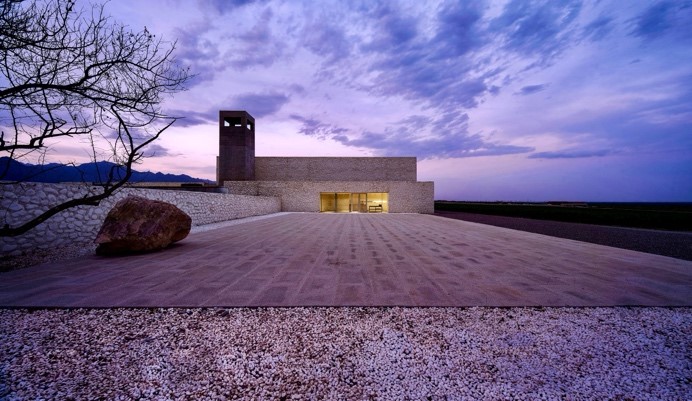


Olivia Li, Yanlong Zhang, Shipeng Yan: Ningxia is an important hub for Chinese wines. Various wineries have accelerated their development by implementing environmental, social, and governance (ESG) initiatives. These moves enhance competitiveness while also promoting a more sustainable economy.
With its unique climate and soil conditions, the Donglu region in Ningxia’s Helan Mountains has emerged as China’s largest wine-producing area. By the end of 2023, the Ningxia region already had 130 wineries, with more than 110 new wineries under construction. Wine-friendly grapes are planted on more than 600,000 acres, almost 40% of China’s total area dedicated to the crops. Annual wine production reached 140 million bottles, almost half of the country’s total volume. Since 2011, grape wines from the Donglu region have received several international awards, and are now sold to over 40 countries and regions, further strengthening the competitiveness of Chinese wines in the international market (Note 1).
Ningxia’s wine industry has developed rapidly, not only boosting local economic growth but also actively promoting sustainable agricultural practices, biodiversity protection, low-carbon green development, and cultural preservation. The region has become a pioneer in promoting ESG practices in China’s wine industry, making positive research and contributions to the industry’s sustainable development.
Responsible Consumption and Production
Combating climate change is an important issue for the wine industry (Note 2). Many of the region’s wineries have been pushing for greener, low-carbon, and sustainable development. For example, Xige Estate, a winery in Qingtongxia and in the foothills of the Helan Mountains, has taken the initiative to produce paper packaging, cartons and coasters from grape skin, pulp and vine. According to Zhao Qian who heads public affairs at Xige Estate, each tonne of recycled paper they use contains 30% grape skin and pulp. Given that one tonne of the environmentally friendly paper saves approximately 1.2 cubic metres of timber resources, the winery can reduce an estimated 50 cubic metres of wood per year, a significant decrease in wood use.
Xige Estate has also replaced glass bottles with aluminium cans in its “Little Drinks” range. The cans are lighter than glass containers, which lead to lower carbon emissions during transport. The Little Drinks range also features packing materials composed entirely of grape skin and pulp, fully using available resources.
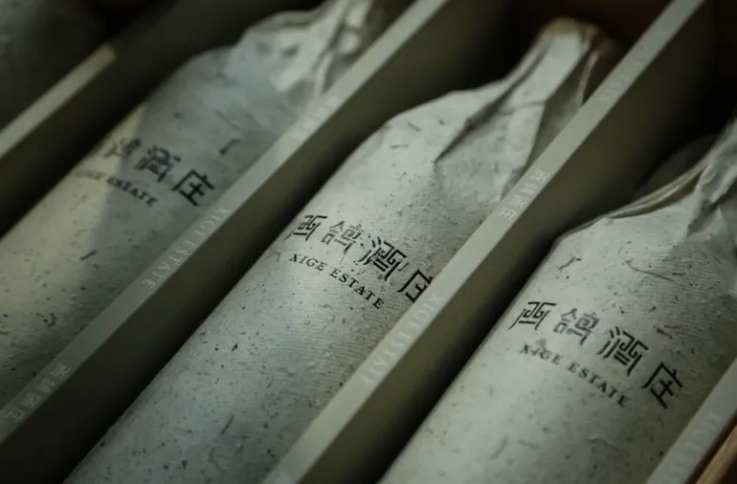
Photo 1: Xige Estate’s red wine packaged in paper made from grape waste

Photo 2: Solar panels at Xige Estate
Environmental Symbiosis
The Donglu region in the Helan Mountains sits in an isolated desert with a fragile ecosystem. To address this, some wineries have adopted ecological restoration initiatives, measures to protect biodiversity, and ways to regenerate agriculture. All of these steps aim at lowering the environmental impact from wine production.
From the start, at Chandon China, a winery in the LVMH portfolio, sustainability has firmly remained at its core. The winery has championed the concept of “Living Soils, Living Together,” placing a strong emphasis on healthy soil and rich biodiversity as the basis of producing quality wine. Chandon China follows the principles of regenerative agriculture to enhance soil health and enrich biodiversity. The winery has also taken steps to slash greenhouse gas emissions. Such as with reduced mechanised farming, adopting precision irrigation, and growing cover crops in the mid-rows and cover crops under vines. By creating habitats for bees and planting diverse plants, Chandon China has effectively supported biodiversity growth. The Company’s China’s Estate Director Su Long said that in 2021 they launched a third-party biodiversity audit. The plan is to increase the number of species at the premises by 15-20% every year.
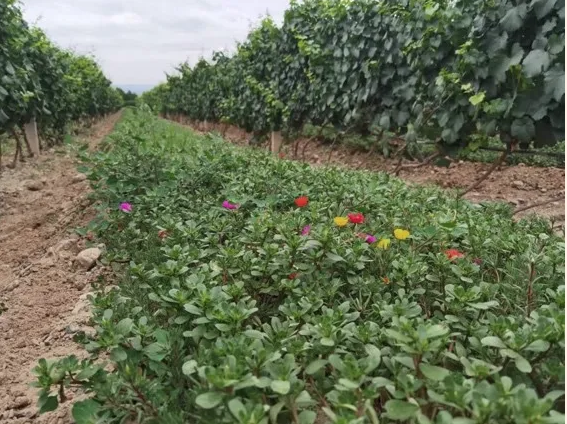
Picture 3: Cover crops in the mid-rows at Chandon China’s vineyard

Picture 4: A bee skep at Chandon China’s vineyard
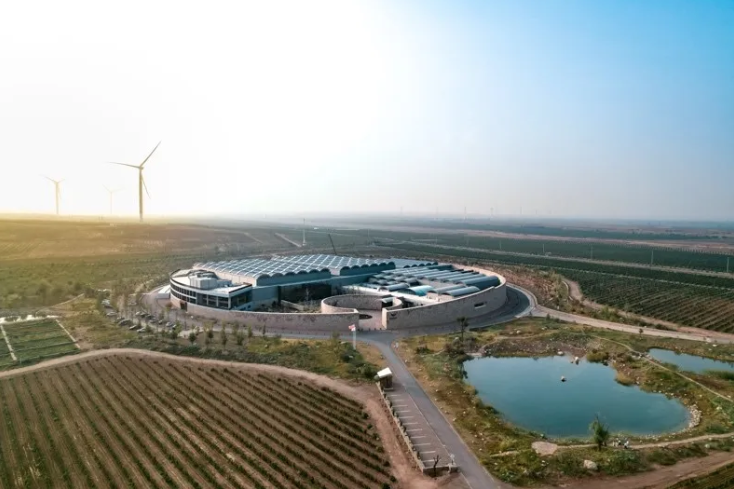
Yuanshi Vineyard is a strong example of ecological restoration in production areas. They have given new life to an abandoned sand-mining pit, which is now an integrated vineyard that also offers ecotourism and cultural experiences. Through afforestation and restoring its water system, the winery has built a vineyard spanning 2,000 acres. It is now a unique ecosystem for more than 300 species and 2 million plants. Ecological restoration has notably enhanced the area’s biodiversity (Note 3).
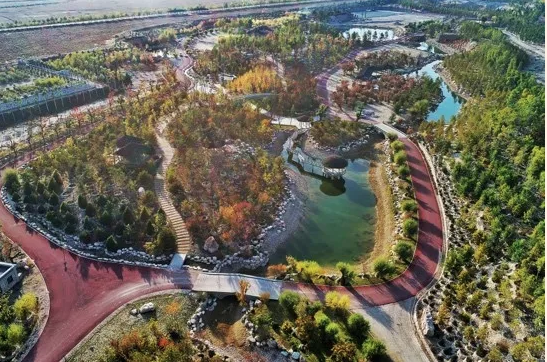
Picture 5: Yuanshi Vineyard, transformed from a sand mine

Picture 6: Ecological restoration at Yuanshi Vineyard
Domaine Charme, a progressive winery in the Jinshan production district, has followed natural farming methods. It has avoided mechanised farming and preserved the existing soil layer to maintain its natural state. Owner Zhang Pai and his team manually cleared rocks to protect the humus layer, as well as planted windbreaks as barriers against natural disasters. Through nitrogen fixation and raising geese for weeding purposes, the winery has also avoided using chemical fertilisers and herbicides. These measures not only help sustain soil fertility and maintain an ecological balance, but they also enhance biodiversity.

Picture 7: Domaine Charme

Picture 8: Domaine Charme’s natural farming methods
Community Development
The ability to discover local specialties, culture and traditions is a crucial starting point for wineries and companies keen to build a unique product identity and strengthen community engagement. For example, as one of China’s High and New Technology Enterprises (HNTE), Jade Vineyard has always been devoted to planting technology. Its plantation was the first to be recognised as a high standard example by China’s National Open Development Comprehensive Pilot Zone for Grape and Wine Industry. The winery’s products have received numerous awards, both at home and abroad.
While pursuing quality wine, Jade Vineyard also built a library and a café, using these venues as cultural spaces for regularly holding painting and photography exhibitions. These events have led to collaborations with Chinese and overseas artists to provide unique art and cultural experiences for visitors. The winery is an eager and active participant in the promotion of Helan Mountains’ culture. One of the ways has been by encouraging local employees and residents to study local folk art. These practices protect and preserve Ningxia’s local culture. They also enhance the community’s cultural health.

Picture 9: An exhibition at Jade Vineyard

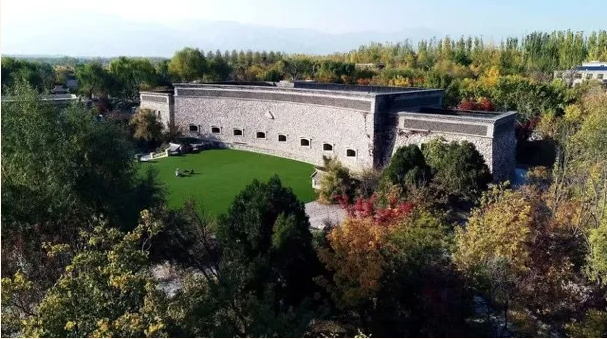
Picture 10: Exterior of Jade Vineyard
Yuanshi Vineyard has worked with the Yinchuan Municipal Government to build a cultural and sports park, where the public can enjoy a safe and inclusive green public space. The vineyard has also combined ecological restoration with industry research and development to achieve a harmonious balance between industry and ecology. The winery welcomes 200,000 visitors every year, and with its ecotourism revenue surpassing 20 million yuan, it has become a new driving force for local economic growth (Note 4). Yunashi Vineyard firmly believes that ecological sustainable development is the core to the long-term prosperity and growth of the wine industry.
The authors also discovered from their research that most of the wineries are still faced with several challenges when it comes to integrating ESG concepts into their operational and management systems. These challenges come in the form of resource allocation, technological advancements, staff training, and reshaping culture. Even if the region is still in the early stages of figuring out how best to achieve sustainable development while maintaining high-quality growth, the wineries that have taken the lead have set great examples for the wine industry. These successful examples undoubtedly provide their peers with valuable experience and insight. They continue to inspire the industry in spearheading the move towards a more environmentally friendly, harmonious and efficient development model.
The co-authors of this article are Olivia Li Yining, MBA graduate of Peking University Guanghua School of Management, Founder and CEO of Ecoliv ESG; Yanlong Zhang, Associate Professor at Peking University Guanghua School of Management; Shipeng Yan, Associate Professor, Management and Strategy at HKU Business School.
Professor Shipeng YAN
Associate Professor in Management and Strategy
Note 1:http://nx.people.com.cn/n2/2024/0813/c192150-40942550.html